How to clean an epoxy garage floor and keep it like new
Coated floors are easy to care for, which is much of the point. A dust mop, a pH-neutral cleaner and a few habits around salt, oil and tires keep one looking new for years.
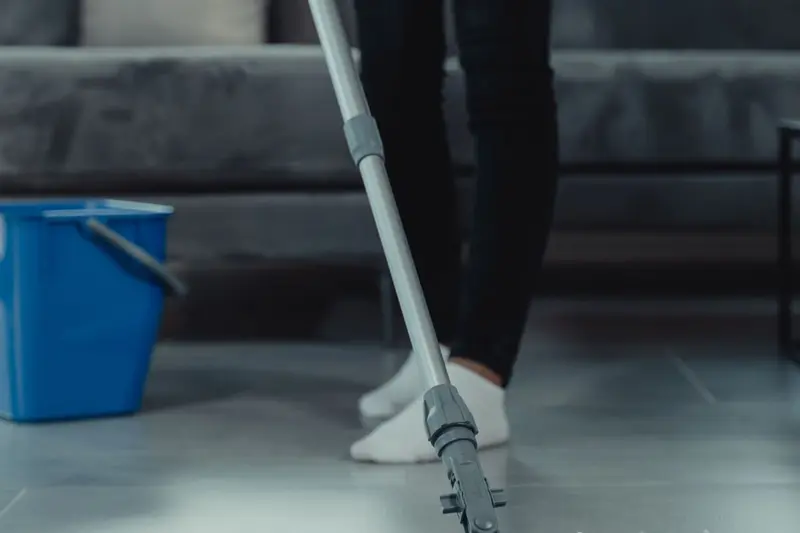
Everyday care
- Dust mop or sweep a few times a week with a soft broom or a large microfiber dust mop. Grit is the main thing that dulls a coating over time, acting like sandpaper underfoot and under tires.
- Use walk-off mats at the door into the house and the garage door to catch grit before it spreads.
- Clean up spills when you see them, especially oil, brake fluid, antifreeze and battery acid.
- In spring, sweep pine pollen often; it is slippery when wet and stains if left to sit in puddles.
- Keep a floor squeegee handy for rainy days, so water blown in under the door does not sit and leave spots on the finish.
Washing the floor
Every month or two, or whenever the floor looks dull, give it a proper wash:
- Sweep or dust mop to remove loose grit.
- Mix a pH-neutral cleaner, or a small amount of mild dish soap, in warm water.
- Mop with a soft mop or a deck brush on textured flake floors.
- Rinse with clean water, because soap residue leaves a dull, slippery film.
- Squeegee the water toward the door or drain and let the floor dry.
Cleaning textured and flake floors
Flake floors and floors with grit in the topcoat have a slight texture that holds dirt in the low spots. A soft deck brush, or a mop with a scrubbing strip, reaches into that texture better than a flat mop, and a wet vacuum or floor squeegee pulls the dirty water off the floor instead of spreading it around.
If the garage is also a workshop
Sweep up metal shavings and sawdust daily, keep solvents and finishes on a tray instead of the floor, and lay down a drop cloth or cardboard under painting, staining or engine work. Coated floors resist many chemicals, but long contact with strong solvents and paint strippers can soften or stain them.
What to avoid
- Vinegar, citrus cleaners left to soak, and other acids, which can dull some topcoats over time.
- Harsh solvents, paint thinners and strong degreasers left sitting on the surface.
- Abrasive pads and powders, which scratch the topcoat.
- Soap-heavy mixes that leave a film.
- Dragging heavy items such as toolboxes, appliances and equipment; lift or use a dolly with soft wheels.
- Metal points: motorcycle kickstands, jack stands and ladder feet concentrate weight; put a pad or a piece of plywood under them.
Spills and stains
- Oil and transmission fluid stay on top of a coated floor; blot with paper towels or absorbent, then wash with a degreaser and rinse.
- Brake fluid and gasoline can soften some coatings; wipe them up right away.
- Antifreeze is poisonous to pets; clean it up promptly and rinse.
- Rust from tools or furniture usually lifts with a rust remover made for coated surfaces; test it in a corner first.
- Tire marks come from plasticizers moving out of the rubber into the topcoat; see hot tire pickup for how to tell them from coating damage.
Winter salt and slush
Before winter storms, road crews treat Triangle highways with salt brine, and cars carry it home as slush. Containment mats with raised edges under each car catch it so it can be squeegeed out or rinsed away. Rinse salty residue off the floor after storms rather than letting it dry into a white film, which dulls the finish and is slippery. A coated floor stops salt from soaking into the concrete, which is what causes pitted or spalling concrete on bare slabs.
Protecting the topcoat
The clear topcoat is the wear layer, so treat it as you would the finish on a hardwood floor. Felt pads under shelving and furniture, rubber feet on workbenches, and plywood under jacks and stands prevent gouges. Avoid grinding, welding or cutting metal directly over the floor, because hot sparks and metal particles can burn or scratch the surface; a welding blanket helps.
Keeping traction
If the floor gets slick, the cause is often residue rather than the coating: soap film, a thin layer of dust or pollen, or a fine oil film. A thorough wash and rinse usually restores grip. If the floor is slippery even when clean, a topcoat with grit can be added; see slippery epoxy floor.
Check it once a year
Once a year, walk the floor in good light. Look for dull traffic lanes, scratches near the door, chips where tools have been dropped, and any lifting at edges or along cracks. Worn lanes are a sign it is time for a fresh topcoat before wear reaches the color layer; lifting is a sign to call sooner. Epoxy floor repair and recoating explains both, and the epoxy flooring guide covers how long a well-kept floor should last.
Cleaning and care — common questions
What is the best cleaner for an epoxy floor?
A pH-neutral floor cleaner, or a little mild dish soap in warm water, works for routine cleaning. Avoid vinegar and other acids, and rinse off any degreaser promptly rather than letting it sit.
Can I pressure wash an epoxy floor?
Occasionally, at low to moderate pressure with a wide tip held well back from the surface. A narrow, close blast can damage the topcoat and force water under the edges of a weakly bonded coating.
How do I get tire marks off an epoxy floor?
Try a degreaser made for coated floors with a soft brush or non-scratch pad, then rinse. Stubborn marks from plasticizer migration may only lighten; parking mats prevent them.
More epoxy flooring guides
Want a floor looked at?
Call and describe the floor and what you want done, or send the details and we will follow up.