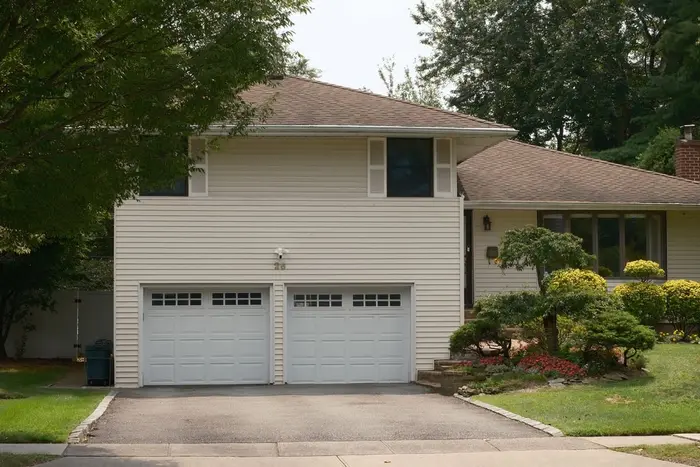
Polyaspartic floor coating in Cary, NC
Polyaspartic coatings cure in hours instead of days and do not yellow in sunlight, which is why many garage floors are now finished in a single day with a polyaspartic topcoat or a full polyaspartic system.
- Walkable the same day in most cases
- Stays clear in sunlight, no yellowing
- Can be installed in cooler weather than epoxy
- Clear over flake, or pigmented
- Often paired with an epoxy base coat
Covering Cary · Apex · Holly Springs · Morrisville · Raleigh
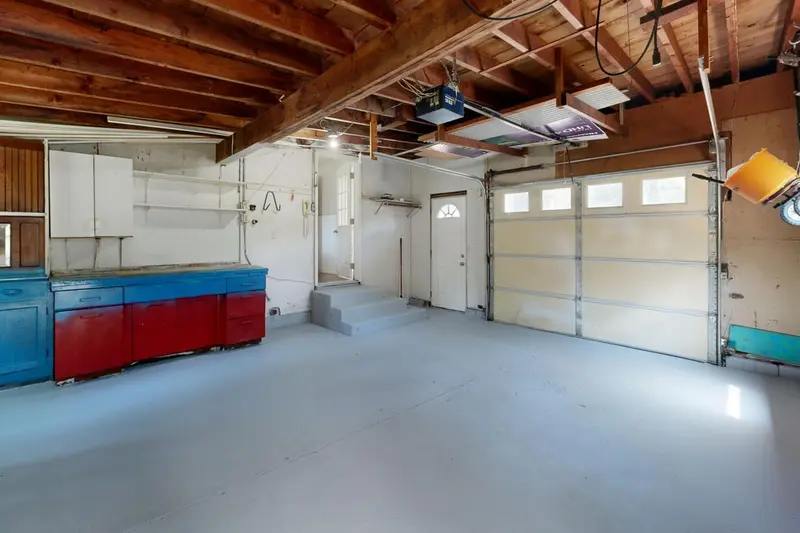
Get a quote for polyaspartic floor coating
Ground, not just etched
Every floor is diamond ground to open up the concrete before it is coated, the step most kits and bargain jobs skip and the main reason coatings peel.
Moisture tested first
Slabs are checked for moisture before anything goes down, because vapor rising through the concrete is what lifts a coating from below.
A written, itemized price
Grinding, crack repair, the coating system and the warranty spelled out line by line in writing, so you know what you are paying for.
Why choose us
Floors that stay bonded in garages that get used
A garage floor coating lives with hot tires, road salt, dropped tools and Triangle humidity. Grinding the slab, repairing its cracks, testing for moisture and choosing the right system are what keep it bonded for years.
- Diamond-ground prep
- Moisture tested first
- Cracks repaired before coating
- Epoxy and polyaspartic systems
- Written, itemized estimates
- Local to Cary
What polyaspartic is
Polyaspartic coatings belong to the polyurea family. Chemists slowed down the extremely fast reaction of traditional polyurea so the material can be rolled or squeegeed onto a floor, and the result is a coating that still cures in hours. Because polyaspartics are aliphatic, they hold their color and clarity in sunlight, where most epoxies amber. They are also hard and resistant to abrasion and many garage chemicals, which makes them a natural topcoat over flake floors.
Why many garages now get polyaspartic
- Speed. A full system can often be installed in one day, with foot traffic that evening. For a household with one garage and two cars, losing the garage for one day instead of four matters.
- No yellowing. Garage doors stay open on sunny afternoons, and epoxy topcoats slowly turn amber where the light hits. Polyaspartic topcoats do not.
- Wider weather window. Many polyaspartics can be applied at temperatures too cool for epoxy to cure properly, which helps in a Triangle winter.
- Toughness. A hard, glossy surface that resists hot tire softening, scuffs and many automotive fluids.
The trade-offs
Fast cure cuts both ways. Polyaspartic has a short working time once it is mixed, especially on a hot summer day, so it demands an experienced crew that can mix and spread small batches quickly. It also wets into concrete less deeply than a slow-curing epoxy primer, which is why many systems still start with an epoxy primer or base coat and finish with polyaspartic. And the material costs more per gallon, which shows up in the price; the guide to epoxy floor cost explains how much the system choice affects the total.
Common polyaspartic systems
- Epoxy base, flakes, polyaspartic topcoat: the most common garage system, combining epoxy’s bond and build with polyaspartic’s clarity and wear.
- Full polyaspartic: polyaspartic base coat, flakes and topcoat, chosen when a one-day install matters most.
- Clear polyaspartic over a stained or polished slab: a lighter-duty option for a decorative concrete look.
- Outdoor flake systems: the same chemistry on patios and pool decks, where UV stability is essential; see patio and pool deck coatings.
Polyaspartic in Triangle weather
Summer heat shortens polyaspartic’s working time, so crews mix smaller batches and often start early, before the garage heats up. Humidity matters too: moisture in the air speeds the cure further, and a very damp slab or muggy day can cause bubbles in the film. Winter is the opposite. Many polyaspartics keep curing in a cold garage where epoxy would stall, which lets a job go ahead in January instead of waiting for spring.
Prep still decides the result
A fast coating does not shorten the most important step. The slab still needs diamond grinding, crack and spall repair and a moisture check. A polyaspartic floor rolled onto poorly prepared concrete can fail just like a cheap epoxy, and a one-day promise that skips grinding is a warning sign. The guide to hiring an epoxy contractor lists what to ask about prep.
Questions to ask about a one-day floor
- Will the floor be diamond ground, and how are the edges done?
- What goes down first: an epoxy primer, or polyaspartic straight onto the concrete?
- How thick will the topcoat be, and how many topcoats are included?
- When can I walk on it, and when can the cars come back in?
- What does the warranty cover, and for how long?
When to choose it
Polyaspartic makes the most sense for garages that face west or south and sit open in the sun, households that cannot spare the garage for most of a week, and anyone who wants the toughest clear topcoat over a flake floor. For a full side-by-side comparison, read epoxy vs polyaspartic.
Polyaspartic floor coating — common questions
Is polyaspartic the same as polyurea?
Polyaspartic is a type of aliphatic polyurea, modified to cure more slowly so installers have time to roll it out on a floor. Traditional polyurea cures too fast to apply by hand.
Can a polyaspartic floor really be done in one day?
Often, on a slab in good condition: grinding and repairs in the morning, the base coat and flakes, then the topcoat, with foot traffic that evening. Cars usually wait a day or two, and major repairs or moisture work can add a day.
Does polyaspartic cost more than epoxy?
Usually somewhat more per square foot than an epoxy-only system, because the material costs more and the fast cure demands a skilled crew. The quicker return to service and resistance to yellowing are what the extra cost buys.
Problems this fixes
Often booked with this