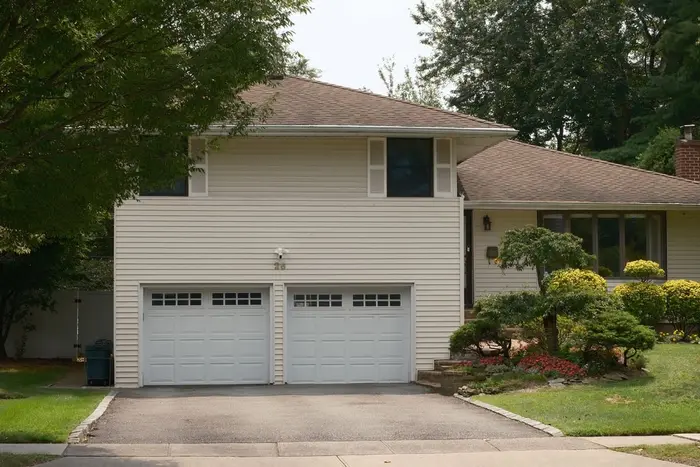
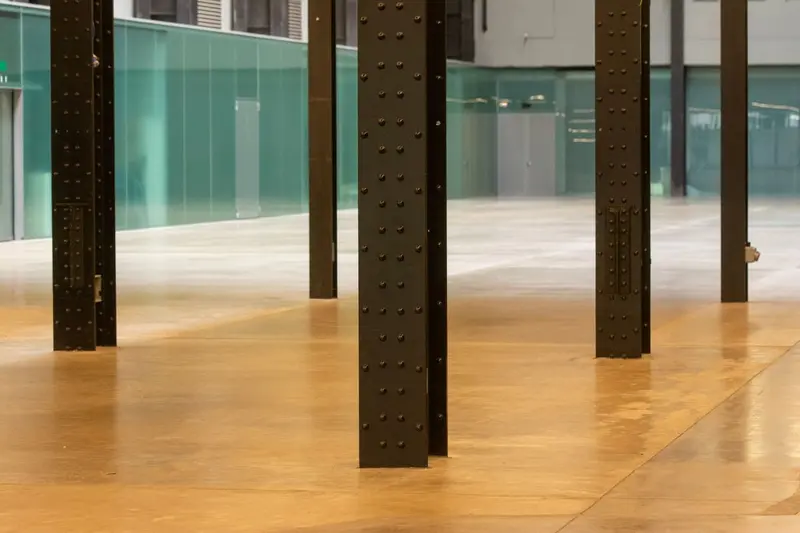
Polished concrete floors in Cary, NC
Polishing turns the slab itself into the finished floor. Progressively finer diamonds grind and hone the concrete, a densifier hardens it, and the result is a durable sheen with no coating to peel.
- Cream, salt-and-pepper or exposed aggregate looks
- Densifier hardens the surface
- Stain guard for spill resistance
- Low maintenance, no recoating cycle
- Optional dyes for color
Covering Cary · Apex · Holly Springs · Morrisville · Raleigh
Get a quote for polished concrete
Ground, not just etched
Every floor is diamond ground to open up the concrete before it is coated, the step most kits and bargain jobs skip and the main reason coatings peel.
Moisture tested first
Slabs are checked for moisture before anything goes down, because vapor rising through the concrete is what lifts a coating from below.
A written, itemized price
Grinding, crack repair, the coating system and the warranty spelled out line by line in writing, so you know what you are paying for.
Why choose us
Floors that stay bonded in garages that get used
A garage floor coating lives with hot tires, road salt, dropped tools and Triangle humidity. Grinding the slab, repairing its cracks, testing for moisture and choosing the right system are what keep it bonded for years.
- Diamond-ground prep
- Moisture tested first
- Cracks repaired before coating
- Epoxy and polyaspartic systems
- Written, itemized estimates
- Local to Cary
How concrete is polished
Polishing is grinding taken much further. The process starts with coarse metal-bonded diamonds that flatten the slab and remove its top layer, then moves through a sequence of finer and finer resin-bonded diamonds that hone and polish the surface, much like sanding wood with progressively finer paper. Partway through, a liquid densifier, usually a lithium or sodium silicate, is applied; it reacts with the concrete to harden the surface so it takes a higher polish and resists wear. A penetrating guard is applied at the end for stain resistance, and the floor is burnished.
Choosing a look
How deep the first grinding goes decides how much of the stone in the concrete shows:
- Cream finish: very light grinding that keeps the smooth top paste, with little or no aggregate visible. It requires a slab in excellent condition.
- Salt and pepper: a little deeper, exposing fine sand and small specks of stone.
- Exposed aggregate: ground deep enough to cut through larger stones, showing a terrazzo-like look.
The level of shine is chosen separately, from a satin, low-sheen finish to a high gloss. Dyes can add color, from soft earth tones to the amber finish common in modern commercial spaces.
Where polished concrete shines
- Warehouses, retail and offices, where large floors and heavy traffic make low maintenance valuable.
- Modern homes with slab-on-grade main floors and an industrial look.
- Basements and lower levels where the slab is in good shape and moisture is low.
- Showrooms and studios that want a durable floor with a quiet, natural finish.
Polished concrete in a garage: the honest answer
Polishing works best on slabs that will not see frequent oil, brake fluid or road salt. A polished slab is far denser than raw concrete, and a guard adds protection, but it is still concrete: spills that sit can stain, and existing stains, cracks and patches remain visible because nothing covers them. For a working garage, a flake coating usually wears better and hides more. For a clean, showroom-style garage on a good slab, polishing can look excellent.
What polishing will not hide
Because the slab itself is the finished surface, its history shows: patched areas, old adhesive shadows, cracks, color variation from the original pour and the pattern of aggregate. Many owners like that character. If you would rather hide it, a coating such as metallic epoxy or a solid color is the better choice.
Polished concrete and moisture
Because a polished floor is not a film on top of the slab, it cannot blister or peel when vapor comes up through the concrete, which makes polishing an option on some slabs too damp for coatings. Efflorescence can still appear on a damp slab, and moisture affects how dyes and guards take, so testing still matters before work starts.
Upkeep
Polished concrete is one of the easiest floors to maintain: dust mop daily in commercial spaces, clean with a pH-neutral cleaner, and burnish occasionally to restore the sheen. Acidic or harsh cleaners can etch the surface, and the guard benefits from renewal over time. There is no coating to wear through, strip or replace, which is why polished concrete is popular in large commercial buildings; see commercial epoxy flooring for the coated alternatives.
Is your slab a candidate?
Polishing needs reasonably sound, flat concrete without heavy coatings or deep damage. Slabs with old glue, paint or coatings can still be polished after those are removed, though some ghosting may remain. Grinding a test area is the best way to see what a particular slab will look like; concrete grinding and prep explains the first steps.
Polished concrete — common questions
Is polished concrete good for a garage?
It can be, but it is less forgiving than a coating. Polished concrete still absorbs oil and chemicals if they sit, even with a guard, and existing stains, cracks and patches stay visible. Many garages are better served by a flake coating.
Is polished concrete slippery?
Dry polished concrete generally has good traction, comparable to many other hard floors. Like any smooth floor, it gets slicker when wet or dusty, and a lower sheen helps at entries.
How is polished concrete maintained?
With dust mopping and a neutral cleaner, plus occasional burnishing to bring back the shine. Unlike a coating, there is no topcoat to strip or reapply.
Problems this fixes
Often booked with this