Metallic epoxy floors in Cary, NC
Metallic pigments suspended in clear epoxy create floors with depth and movement that look like polished stone or liquid metal. No two are alike, and they suit spaces where looks matter as much as wear.
- Swirled, marbled or lava-style finishes
- Custom color combinations
- Seamless, glossy surface
- Clear urethane or polyaspartic topcoat
- Best in basements, bars and showrooms
Covering Cary · Apex · Holly Springs · Morrisville · Raleigh
Get a quote for metallic epoxy floors
Ground, not just etched
Every floor is diamond ground to open up the concrete before it is coated, the step most kits and bargain jobs skip and the main reason coatings peel.
Moisture tested first
Slabs are checked for moisture before anything goes down, because vapor rising through the concrete is what lifts a coating from below.
A written, itemized price
Grinding, crack repair, the coating system and the warranty spelled out line by line in writing, so you know what you are paying for.
Why choose us
Floors that stay bonded in garages that get used
A garage floor coating lives with hot tires, road salt, dropped tools and Triangle humidity. Grinding the slab, repairing its cracks, testing for moisture and choosing the right system are what keep it bonded for years.
- Diamond-ground prep
- Moisture tested first
- Cracks repaired before coating
- Epoxy and polyaspartic systems
- Written, itemized estimates
- Local to Cary
How metallic floors get their look
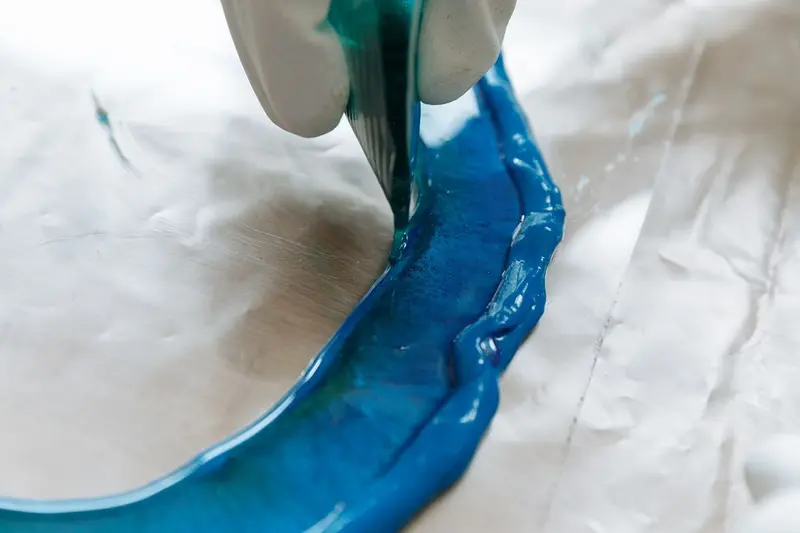
Metallic epoxy uses fine metallic or pearlescent pigments mixed into a clear, 100 percent solids epoxy. As the installer spreads the mix and works it with rollers, brushes, trowels or a light mist of solvent, the pigments shift and settle, leaving swirls, veins and pools of color that catch the light from different angles. Two or three colors can be worked together. Because the effect depends on how the wet epoxy moves, every floor is unique, and the installer’s skill shows more on a metallic floor than on any other finish.
Where metallic floors work best
- Basements: a finished basement, bar or media room where a seamless, easy-to-clean floor replaces carpet. See basement floor epoxy.
- Showroom garages: collector cars and display garages, where the floor is part of the look.
- Offices, salons and retail: commercial spaces that want a distinctive floor without the cost of stone.
- Home gyms and studios, with mats where weights are dropped.
They are less suited to a hardworking garage. The glossy, uninterrupted surface shows every scratch, dust film and tire mark, and repairs are hard to blend.
The installation, step by step
- Prep: diamond grinding, crack repair and a careful moisture check, because metallic floors are thin enough that any defect below shows through.
- Primer and base coat: usually a solid-color epoxy that sets the background tone.
- Metallic coat: mixed and laid down in one continuous session, then manipulated to create the pattern before it starts to set.
- Topcoat: a clear urethane or polyaspartic coat that adds scratch and UV resistance; epoxy alone is relatively soft and ambers in sunlight.
Choosing colors and a style
Most metallic floors combine a base color with one or two accent pigments. Charcoal with silver reads as polished stone; copper and bronze over a dark base look warm in a basement bar; blues and whites suggest water or marble. Ask whether the installer will make a sample board in your colors, and look at it under the room’s own lighting, because metallic pigments change dramatically between daylight and warm bulbs.
Living with a metallic floor
Expect a glossy, deep-looking surface that cleans easily with a dust mop and a damp mop. Use felt pads under furniture and walk-off mats at entries to keep grit from scratching the topcoat. Like any smooth, glossy floor, it can be slippery when wet; a fine grit in the topcoat or rugs near sinks and doors help. A worn topcoat can be renewed later without disturbing the metallic layer beneath, as long as it is done before the wear reaches that layer; see epoxy floor repair and recoating.
Metallic epoxy and sunlight
Metallic floors near large windows or under skylights need a UV-stable topcoat, because sunlight ambers epoxy over time, and on a pale metallic floor the change is easy to see. The epoxy floor turning yellow page explains the chemistry.
Cost compared with other finishes
Metallic floors usually cost more per square foot than flake or solid-color systems. The clear epoxy goes down thick, the pigments are specialty materials, and the metallic layer takes an experienced installer’s full attention for hours. The epoxy floor cost guide shows how the finish you choose moves a quote.
Is a metallic floor the right choice?
For a basement, a bar or a showroom, a metallic floor delivers a look that is hard to get any other way. For a working garage, a flake floor is the more practical choice, and polished concrete is worth comparing for commercial spaces. The guide to garage floor coating options lays out the alternatives.
Metallic epoxy floors — common questions
Are metallic epoxy floors good for garages?
They can be, with caveats. The smooth, glossy surface shows scratches, dust and tire marks more than a flake floor and is slick when wet unless grit is added. Many owners choose metallic for a showroom-style garage and flake for a working one.
Can I choose exactly how it will look?
You choose the colors and the general style, such as soft marbling or bold swirls, but the final pattern forms as the installer works the wet epoxy. Ask to see sample boards and photos of floors the installer has actually done.
How long does a metallic floor take?
Usually two or three days for prep, a primer or base coat, the metallic layer and a topcoat, plus cure time before heavy use. The metallic coat has to go down in one continuous session so there are no seams.
Often booked with this