Slippery epoxy floor: how to add traction
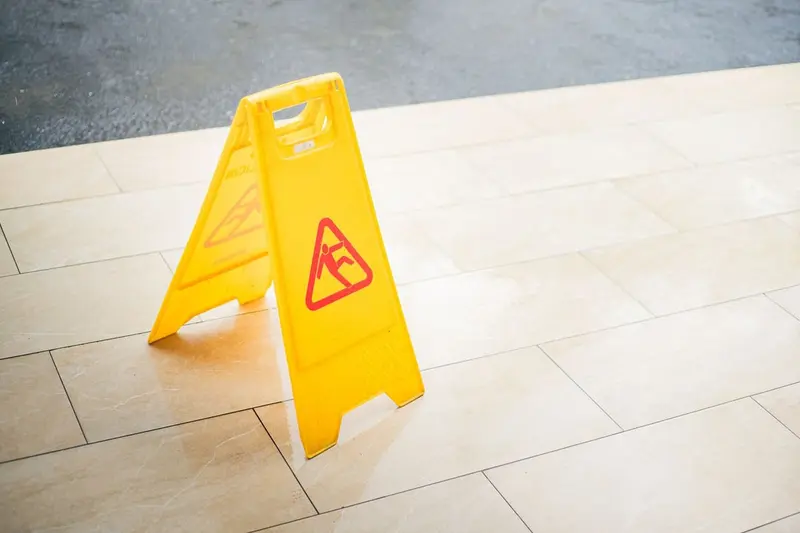
A smooth, glossy coating is easy to clean but can be slick with water, oil or dust on it. Traction is built in with grit, flakes and texture, and an existing floor can usually be fixed with a new topcoat.
What you may notice
- Floor slick when wet from rain, snowmelt or washing
- Feet slipping on dusty or pollen-covered areas
- Smooth, high-gloss finish with no texture
- Slippery spots at the house door and garage door
- Tires spinning on a wet floor
Tell us about the floor
Ground, not just etched
Every floor is diamond ground to open up the concrete before it is coated, the step most kits and bargain jobs skip and the main reason coatings peel.
Moisture tested first
Slabs are checked for moisture before anything goes down, because vapor rising through the concrete is what lifts a coating from below.
A written, itemized price
Grinding, crack repair, the coating system and the warranty spelled out line by line in writing, so you know what you are paying for.
Why coated floors get slick
A coating turns a porous concrete surface into a smooth, sealed one. Dry, most coated floors offer reasonable grip. Add a film of water, oil, dust or pollen, though, and a high-gloss surface with no texture can become as slick as a wet kitchen tile. Bare concrete has the same problem to a lesser degree, but people notice it more on a coated floor because the gloss looks slippery and the change from dry to wet is sudden.
Where it matters most
- Garage floors that get rain blown under the door, snowmelt off cars, water from washing the car, or condensation on humid days; see damp or sweating garage floor.
- The step into the house, where people carry groceries and are not looking down.
- Basements with laundry areas, sinks or gym equipment.
- Commercial kitchens, shops and wash bays, where floors are wet by design.
- Patios and pool decks, where bare feet meet water; see patio and pool deck coatings.
Shoes, paws and tires
Different users need different grip. Smooth-soled dress shoes and wet sneakers slip first. Dogs’ claws scrabble on glossy floors and can scratch a soft topcoat. Tires spin when a wet, glossy floor meets a steep driveway apron. Sawdust and metal shavings in a workshop act like tiny ball bearings underfoot. A fine grit in the topcoat helps with all of these without making the floor rough on bare feet or knees.
Ways to add traction
- Grit in the topcoat. Aluminum oxide is the most common: a hard, sharp mineral that is mixed into the final coat or broadcast onto it. It comes in several sizes, from fine for interiors to coarse for ramps.
- Polymer beads. Softer, rounder particles that add grip with a texture that is gentler on knees and easier to clean.
- Flake broadcast. A full flake floor has a natural texture that helps, especially with a topcoat that does not completely flatten it; see flake epoxy floors.
- Satin or matte topcoats. A lower-gloss finish does not add grip by itself, but it looks less slippery and is often paired with grit.
- Textured finishes for outdoor areas, where traction matters more than easy mopping.
Fixing a floor that is already too slick
If the coating is well bonded, the fix is straightforward: clean and degrease the floor, scuff the existing topcoat so the new coat can bond, and apply a fresh topcoat with grit. The work usually takes a day plus cure time and does not disturb the color or flake layer beneath. If the coating is also peeling or worn through, that has to be addressed first; see epoxy floor repair and recoating.
Habits that help
- Put walk-off mats at the garage door and the door into the house.
- Wipe up oil drips and spills promptly; oil on a sealed floor stays on top, where it is slippery.
- Rinse cleaner residue thoroughly, because some cleaners leave a slick film.
- Sweep pollen in spring before it gets wet.
Grip versus cleanability
Every bit of texture is a trade-off between traction and how easily the floor cleans. Interiors usually get fine grit in the topcoat, enough to grip a wet shoe without catching a mop; garages that see a lot of water may want a bit more; ramps and outdoor surfaces get the most. Ask to see and touch a sample board with the grit you are considering, wet and dry, before deciding. The epoxy flooring guide covers how traction fits into choosing a system.
Slippery epoxy floor — common questions
What is added to epoxy to make it less slippery?
Usually aluminum oxide grit or fine polymer beads, mixed into or broadcast onto the topcoat. The grit creates a fine texture that grips shoes and tires while still letting the floor be mopped.
Can anti-slip be added to an existing floor?
Yes, if the coating is sound. The floor is cleaned, scuffed and recoated with a topcoat containing grit. It is a common fix for glossy floors that turned out slicker than expected.
Will grit make the floor hard to clean?
Slightly harder than a perfectly smooth floor, which is the trade-off. Fine grit and a light broadcast keep cleaning easy while still adding traction; heavier texture suits ramps and outdoor areas.
Other floor problems
Not sure what is wrong with the floor?
Call and describe the floor and what you are seeing, or send a few details and we will get back to you.