Flake epoxy floors in Cary, NC
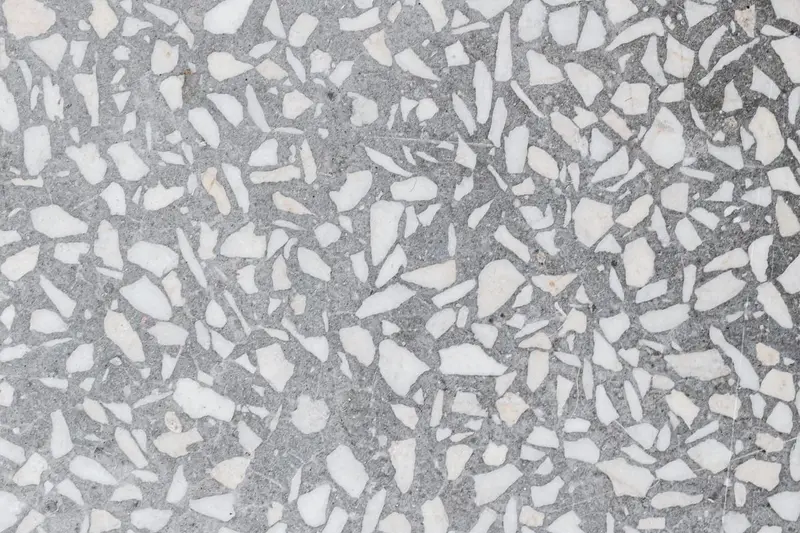
Colored vinyl flakes broadcast into a wet base coat and sealed under a clear topcoat make the most popular garage finish: textured, forgiving of dirt and hard to wear through.
- Full broadcast for an even, speckled look
- Dozens of flake blends and chip sizes
- Hides dust, tire marks and small flaws
- Textured surface for better traction
- Clear polyaspartic or urethane topcoat
Covering Cary · Apex · Holly Springs · Morrisville · Raleigh
Get a quote for flake epoxy floors
Ground, not just etched
Every floor is diamond ground to open up the concrete before it is coated, the step most kits and bargain jobs skip and the main reason coatings peel.
Moisture tested first
Slabs are checked for moisture before anything goes down, because vapor rising through the concrete is what lifts a coating from below.
A written, itemized price
Grinding, crack repair, the coating system and the warranty spelled out line by line in writing, so you know what you are paying for.
Why choose us
Floors that stay bonded in garages that get used
A garage floor coating lives with hot tires, road salt, dropped tools and Triangle humidity. Grinding the slab, repairing its cracks, testing for moisture and choosing the right system are what keep it bonded for years.
- Diamond-ground prep
- Moisture tested first
- Cracks repaired before coating
- Epoxy and polyaspartic systems
- Written, itemized estimates
- Local to Cary
Why flake floors are the garage standard
Walk into a professionally coated garage in Cary or Apex and it is probably a flake floor. The pattern of colored chips hides the things garages produce every day: dust, pollen, tire marks, drips and small scratches. The chips add texture that improves traction, and because they are locked between two layers of coating, they add thickness too. A flake floor also forgives a slab that is not perfect; small blemishes and repaired cracks disappear in the pattern in a way they never would under a glossy solid color.
How a flake floor is built
- Prep: the slab is diamond ground, repaired and vacuumed, as for any coating.
- Base coat: a pigmented epoxy or polyaspartic base coat is rolled out, usually in a color close to the flake blend.
- Broadcast: while the base coat is wet, flakes are thrown by hand in high, sweeping arcs so they land evenly. On a full broadcast, the installer keeps going until the base coat is completely covered.
- Scrape and sweep: once the base coat cures, loose chips are swept up and the high points are scraped down so the surface is even.
- Topcoat: one or two clear coats seal the flakes in and take the wear. Grit can be added here for extra slip resistance.
The guide to installation and cure time explains how long each stage takes.
Choosing a blend and size
Flake blends combine three to six colors: grays and blacks for a granite look, tans and browns that hide red clay dust, or blends with a pop of color. Chip size changes the look as much as color does. Quarter-inch flakes read as a bold speckle from across the garage; smaller sizes give a finer, more uniform texture. Look at sample boards in the garage itself, under its own lighting, and remember that a flake floor usually looks a shade lighter than a small sample once the whole floor is done.
Full or partial broadcast
A full broadcast covers the floor completely and is the more durable choice for a garage, because the chips form a thick, even layer under the topcoat. A partial broadcast scatters flakes over a solid base color for a lighter speckle; it uses fewer chips but leaves more of the base coat exposed and shows wear in traffic lanes sooner. Most installers recommend full broadcast for any floor that sees cars.
What sits on top matters most
The flakes are decorative; the clear topcoat is what protects them. An epoxy topcoat costs less but yellows when sunlight hits it through an open garage door. A polyaspartic or aliphatic urethane topcoat stays clear in the sun and resists chemicals and abrasion better, which is why it has become the usual choice on flake floors. The polyaspartic floor coating page covers that option, and epoxy floor turning yellow explains why sunlight matters.
If the garage doubles as a workshop, skip very busy, high-contrast blends where dropped screws and washers vanish; a medium blend with less contrast keeps small parts visible.
Repairing a flake floor later
If a section is damaged years later, by a dropped engine part or a chemical spill, flake floors are the easiest kind to patch. The area is ground, recoated with a matching base and flakes, and topcoated, and the busy pattern hides the edges far better than a solid color would.
Flake floors and traction
Flakes leave a gentle texture that helps, but a glossy topcoat can still be slick when wet. If the garage floor gets wet from rain blown under the door, melting ice or washing the car, ask for grit in the final coat. The slippery epoxy floor page explains the options for adding traction, and the garage floor epoxy page covers the full process from prep to parking.
Flake epoxy floors — common questions
What are the flakes made of?
Usually colored vinyl chips in blended colors and sizes. They add no strength of their own; the base coat and clear topcoat do the work, while the flakes add color, texture and camouflage.
What does full broadcast mean?
Flakes are thrown into the wet base coat until it will not take any more, so the floor is completely covered. The loose excess is swept and scraped off before the clear topcoat. A partial broadcast leaves the base color showing between the flakes.
Is a flake floor hard to clean?
No. The clear topcoat seals the chips, so the floor sweeps and mops easily with only a slight texture. The speckled pattern also hides dust and tire marks between cleanings.
Problems this fixes
Often booked with this